Product Hunt Alternative
Product Hall of Fame
ProductFame helps founders launch products, gain visibility, and earn backlinks while users discover new startups and tools.
ProductFame helps founders launch products, gain visibility, and earn backlinks while users discover new startups and tools.

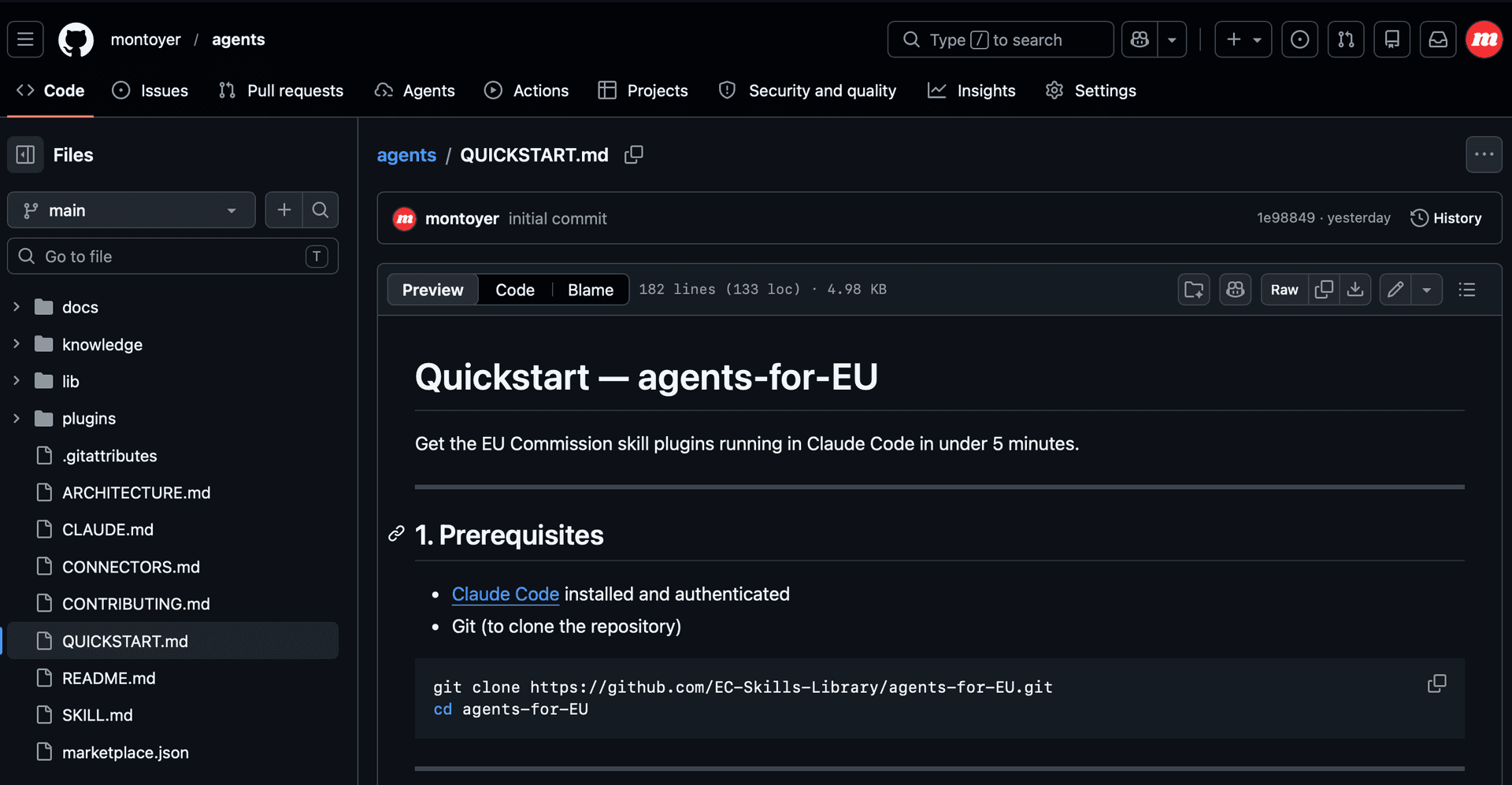
Montoyer is an open-source, specialized multi-agent AI framework engineered explicitly to navigate, model, and automate the complex procedural and legal mechanics of European Union governance.
Montoyer replaces the concept of a single "all-knowing" model with specialized actors operating within strict operational boundaries and institutional memory:
Commissioner Personas: 21 individual portfolio agents (e.g., Competition, Trade, Green Deal) that simulate executive political dynamics and portfolio friction.
Role Specialists: Dedicated profiles representing the functional tasks of policy officers, legislative drafters, lawyers, and data protection officers (DPOs).
AI Agents Directory
DG Operational Profiles: Structured profiles modeled after specific Directorates-General to enforce technical, environmental, and financial constraints at runtime.
The User: Policy Officers and Legislative Drafters within EU Institutions or Permanent Representations.
The Application: Accelerating the construction of regulatory proposals and staff working documents. By invoking commands like /treaty-check or /legislative-proposal, drafting teams ensure that text instantly respects the Commission's formal style guides, avoids invalid paragraph subdivisions, and explicitly aligns with a validated legal basis.
The User: Data Protection Officers (DPOs), Case Officers, and Competition Lawyers.
The Application: Automating intensive vetting workflows. Using the specialized competition-eu domain plugin, users can run automatic /market-definition calculations and cross-reference public infrastructure funding against the General Block Exemption Regulation (/gber-screening) to instantly assess State aid compatibility and check notification thresholds.
The User: Policy Analysts, Think Tanks, Diplomatic Missions, and Trade Associations.
AI Agents Directory
The Application: Predictive negotiation tracking. By executing multi-agent simulations of upcoming trilogues or inter-service debates, analysts can anticipate portfolio roadblocks, trace potential amendment vulnerabilities from the European Parliament, and map compromise trajectories within a secure, open-source sandbox.
Product details are supplied by the publisher. Verify current features, availability, and pricing on the .


